Have you ever wondered if you can overfund your emergency fund? Taking these three steps to ensure your emergency fund is the right size will help you establish a solid foundation, making you less likely to run out of money and have financial regrets. A solid financial foundation leads to greater financial security and confidence.
Determining What Size Fits Will Lessen The Chance You Can Overfund Your Emergency Fund

Finances are personal. There is no one-size-fits-all emergency fund or a magic number for all emergency funds. Instead, there is the correct number for you. Looking at your monthly expenses is a great starting point. Then, determine how many months you think it would take to replace your income. Plan for the what-ifs in life: losing your job, divorce, disability, or illness. Ask yourself, what amount is right for you?
What Are Your Other Top Of Mind Goals?
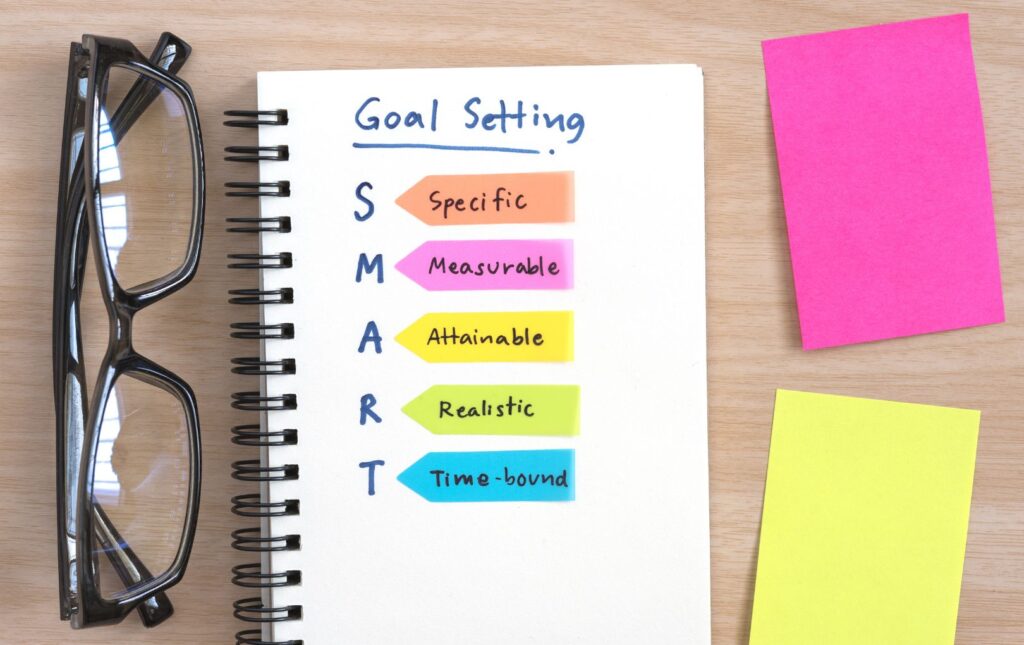
Your other top-of-mind goals are essential when funding your emergency fund and are part of a balancing act. When considering “top-of-mind goals,” a goalsetting calculator is an essential tool. One of the most important goals that come to mind is eliminating high-interest credit card debt and retirement. While you can put your emergency fund in a high-yield savings account yielding over 4% APR, your credit card might charge you 30% APR. Concerning retirement, at the very least, you may not want to lose potential “free money” from an employer company match or, beyond that, the opportunity to gain benefits from tax-advantaged contributions and compounding your money to reach your goals. Mathematically, eliminating the debt first and getting other monetary benefits might make the most sense. Certainly, you may even wonder which is better, saving or investing. But ultimately, the balance of how you will attain your goals is more than math; you need to feel comfortable with it too.
Automate It!

Once you determine what size emergency fund “fits you,” automate monthly transfers. Determine the amount you can transfer monthly that aligns with your expense plan and other goals into a high-yield savings account. To avoid overfunding your emergency beyond your goal, have the transfers into that account automatically end when fully funded. Set the alarm on your calendar to remind you when the account is fully funded. Then after taking these three steps to ensure your emergency fund is the right size, put that extra money to good use to fund another goal. Where will your extra money go?
Please share in the comments what you would do if you got a tax refund. Follow on Instagram & Subscribe to The Newsletter for more tips & free resources too!