

Retirement is a stage in life that everyone looks forward to, but it requires careful financial planning to ensure a comfortable and stress-free future. Many individuals wonder how they can determine if they will have enough money to retire. In this blog, we will explore practical steps you can take to assess your retirement readiness. By breaking down the process into manageable sections, we will provide valuable insights to help you plan for a financially secure retirement.
Assessing Your Current Financial Situation
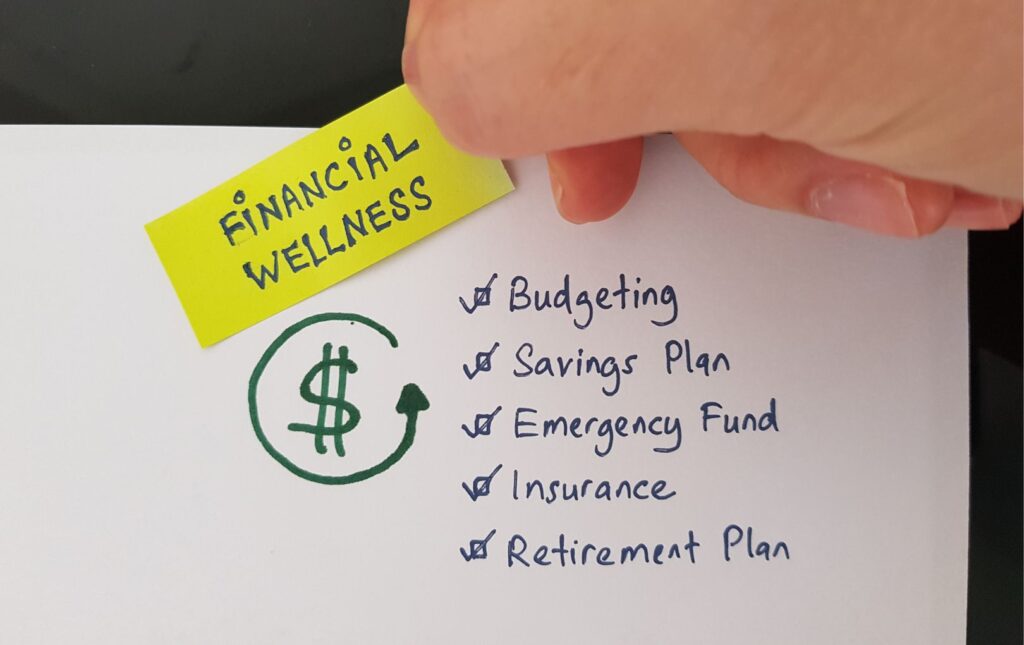
Before planning for retirement, evaluating your current financial status is essential. Start by calculating your net worth, which involves subtracting your liabilities (debts) from your assets (savings, investments, and property). This exercise will give you a clear picture of your overall financial health. Next, determine your monthly expenses and compare them with your income. This analysis will help you understand your current saving capacity and identify areas where you can reduce spending or increase earnings. By assessing your financial situation, you can gauge whether you are on track for retirement or need to make adjustments.
Setting Realistic Retirement Goals So You Can Confidently Say Yes When Asking: Will I Have Enough To Retire

Defining your retirement goals is crucial for estimating the money you need. Consider factors such as your desired lifestyle, healthcare expenses, travel plans, and potential long-term care needs. Be realistic about your expectations. Account for inflation when projecting expenses. Remember, retirement can span several decades, so planning for the long term is essential. Setting specific and achievable goals can create a financial roadmap tailored to your retirement needs.
Estimating Retirement Expenses To Determine, Will I Have Enough For Retirement

To determine if you will have enough money to retire, estimating your future expenses accurately is vital. Start by analyzing your current spending patterns and adjusting for potential changes in retirement. Consider expenses like housing, healthcare, transportation, leisure activities, and any debts that must be repaid. It’s advisable to consult financial advisors or use retirement planning tools to get a more precise estimate of your future expenses. By understanding your anticipated costs, you can establish a targeted savings goal.
Evaluating Retirement Income Sources

Assessing your potential retirement income sources is a critical step in retirement planning. For example, your Social Security benefits, employer-sponsored pension plans, and other passive income sources, such as rental properties or investments. Calculate the expected income from these sources and determine whether it will be sufficient to cover your estimated expenses. If there’s a shortfall, explore additional avenues like individual retirement accounts (IRAs) or annuities. You can identify potential gaps and develop strategies to bridge them by evaluating your income sources.
Creating a Retirement Savings Plan

To ensure a secure retirement, developing a comprehensive savings plan is essential. Start by establishing a monthly budget that includes dedicated contributions to retirement accounts. Maximize contributions to employer-sponsored retirement plans like 401(k)s or 403(b)s, taking full advantage of any matching contributions. If eligible to contribute to IRAs or Roth IRAs, you can further bolster your savings in a tax-advantaged account. Consider diversifying your investments across different asset classes to manage risk effectively. Regularly review and adjust your savings plan as circumstances change, such as increasing income or nearing retirement age.
How Will You Answer your query: “Will I Have Enough To Retire?”

Retirement planning requires careful consideration and proactive steps to secure your financial future. You can gain confidence in your retirement readiness by assessing your current financial situation, setting realistic goals, estimating expenses, evaluating income sources, and creating a robust savings plan. Remember, it’s never too early or too late to start planning for retirement. Seek guidance from financial advisors, leverage retirement planning tools, and stay informed about changes in retirement policies and investment options. With proper preparation, you can achieve a financially stable and fulfilling retirement.